

Dental anxiety is common: many people put off routine care because the idea of a dental visit makes them tense or uneasy. That avoidance can lead to unnecessary problems that affect both oral health and overall well‑being. At Southern Oaks Dental, we understand how real that fear can feel, and we offer a compassionate, evidence‑based approach to help patients get the care they need with far less stress.
Sedation dentistry is not about putting patients to sleep for every appointment. Instead, it provides a range of safe, monitored options that reduce anxiety, blunt unpleasant sensations, and make it possible to complete necessary treatment in comfort. The goal is simple: enable great dental care without the emotional toll that keeps many people away.
People considering sedation often worry about safety and control. Modern sedation techniques are administered and monitored by trained clinicians, chosen to match each patient’s medical history, level of anxiety, and the complexity of the procedure. Throughout treatment our team emphasizes clear communication so patients know what to expect before, during, and after their visit.
This page explains why patients choose sedation, how the different methods work, and what you can expect when sedation is part of your care plan. Our aim is to give you straightforward information so you can make an informed decision with confidence.
Sedation dentistry creates a controlled, relaxed state that reduces fear and physiological stress responses. For many patients, simply knowing that a proven technique will be used to manage anxiety is enough to transform the appointment into a manageable — and even pleasant — experience. Sedation can also blunt memory of the procedure, which is helpful for patients with strong dental phobias.
Importantly, sedation complements, not replaces, local anesthesia. While local anesthetic blocks pain at the treatment site, sedation addresses the emotional and cognitive aspects of anxiety. Combining the two allows patients to tolerate procedures that might otherwise be too difficult to complete.
Safety is the priority. Dental sedation is selected based on a careful review of health history, medications, and personal preferences. During any sedated procedure, vital signs are monitored and adjustments are made to keep the patient comfortable while preserving normal breathing and cardiovascular stability whenever possible.

Many people turn to sedation dentistry because anxiety interferes with their ability to receive care. For patients whose fear is so strong they delay or avoid appointments, sedation removes the emotional barrier and makes consistent preventive and restorative care possible. That continuity is essential for preventing small problems from becoming larger ones.
Sedation is also valuable for specific procedure‑related concerns. Extensive restorative work, multiple extractions, or complex surgical appointments can be long and uncomfortable; sedation helps patients remain relaxed and tolerant for extended periods, which can reduce the number of visits needed to complete treatment.
Other practical reasons include difficulty managing a strong gag reflex, hypersensitivity of teeth and gums, or physical limitations that make it hard to sit still for treatment. Sedation can ease reflexes and sensitivity, and it gives clinicians better access to deliver precise care to patients who otherwise would struggle to cooperate.
Children and individuals with special needs sometimes require additional support to receive routine care. When behavioral or medical considerations make conventional treatment unrealistic, sedation enables safe delivery of essential dental services so long‑term oral health can be maintained.

Choosing the right sedation method is a collaborative process. We begin with a thorough medical history review and a conversation about your past experiences, current concerns, and the treatment plan. That information guides a recommendation that balances comfort with safety, always taking into account any medications or medical conditions that could affect sedation.
Patient preference matters: some people want minimal intervention and quick recovery, while others prefer deeper relaxation for longer procedures. Wherever you fall on that spectrum, your provider will explain the options, expected effects, and practical considerations so you can make an informed choice.
Monitoring and emergency preparedness are part of every sedated appointment. Vital signs are tracked throughout treatment and staff are trained to respond to any changes. Those safeguards allow us to provide sedation confidently while maintaining a high standard of care.
Conscious sedation (often called “moderate” sedation) keeps patients relaxed and drowsy while they remain responsive to verbal cues. Breathing stays unassisted and patients typically recover quickly after the procedure. This approach is well suited for a wide range of dental procedures where anxiety or the length of treatment would otherwise pose a barrier.
General anesthesia, in contrast, induces a deeper state in which the patient is not responsive to stimuli and requires airway and breathing support. That level of sedation is reserved for cases where lighter techniques are insufficient and is generally performed in a hospital or surgical center under the supervision of an anesthesiologist.
Within a dental office setting, several safe, established options are used depending on need and medical suitability. Each method has distinct characteristics in how quickly it works, how deeply it relaxes the patient, and what aftercare is required. Your team will walk you through the differences and recommend the method that best aligns with your health and the planned procedure.
Nitrous oxide, sometimes called “laughing gas,” is administered through a small nasal mask and provides mild to moderate relaxation. It acts quickly and is easily reversible, with effects wearing off almost immediately after the mask is removed. Patients remain conscious and able to follow instructions, making nitrous oxide a versatile choice for children and adults with mild to moderate anxiety or sensitivity.
Oral sedation involves taking a prescribed medication before the appointment to produce a deeper state of relaxation. The medication’s onset and duration vary, and patients may feel drowsy or semi‑conscious during treatment. Because oral sedatives can impair coordination and judgment for several hours, having a responsible adult escort you home is typically required.
IV sedation delivers medication directly into the bloodstream, allowing clinicians to achieve and adjust deeper levels of relaxation quickly. It is useful for longer or more complex procedures and for patients who require a higher degree of sedation. IV sedation is closely monitored and may require additional pre‑procedure instructions, such as fasting and arranging transportation home.
Before any sedated appointment, you’ll receive clear pre‑visit instructions tailored to the chosen method. These instructions typically cover medication management, fasting when needed, and which personal items or paperwork to bring. Full disclosure of your medical history, including prescriptions and supplements, helps us avoid interactions and enhance safety.
On the day of treatment, staff will review your health status and confirm monitoring plans. During the procedure, a trained clinician will continuously observe your condition, adjust medications as necessary, and maintain clear communication so you always know what’s happening. Our goal is a calm, predictable experience with minimal surprises.
Recovery varies by method: nitrous oxide wears off immediately, oral sedation may produce lingering drowsiness for several hours, and IV sedation often requires a short monitored recovery period. Because of these differences, arrangements for a ride home and, in some cases, companion care are part of the plan for patient safety.
If dental anxiety has kept you from receiving care, sedation dentistry can be an empowering solution that restores access to essential treatment. Our team at Southern Oaks Dental will take the time to explain your options, answer questions, and build a plan that fits your health and comfort level. Contact us for more information about how sedation can help you get the dental care you deserve.
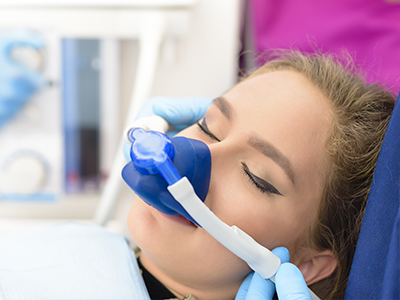

Sedation dentistry offers patients with general anxiety or fears about a dental procedure the opportunity to have a more comfortable and stress-free experience. By utilizing safe and controlled sedation techniques, the patient is eased into a state of complete relaxation before the procedure. This approach eliminates discomfort, pain, and preoperative anxiety, and typically makes patients feel more at ease post-operatively, as they have little or no memory of the actual moment-to-moment procedure.
Local anesthesia involves an injection directly into or close to the area where a procedure is being performed. While it eliminates any sensation of pain in the targeted area, it does not affect your state of mind or level of anxiety. When a patient receives sedation, additional medications to ease anxiety and promote relaxation are employed in advance of local anesthesia. In this way, both the stress and discomfort associated with a procedure are eliminated. Sedation can be administered in a variety of forms based upon patient needs and the recommendations of the dentist or dental anesthesiologist.
Choosing the most appropriate method of sedation for a procedure depends on a variety of factors such as a patient's medical history and their level of anxiety. Dental sedation can come in the form of nitrous oxide sedation, oral conscious sedation, and IV sedation. Certain patients receiving comprehensive treatment or undergoing a complex surgical procedure may require general anesthesia in a hospital setting.
Nitrous oxide, or "laughing gas," is a mild sedative, which is inhaled through a small mask over the nose. A standard in dental sedation for decades, the effects of nitrous oxide are almost immediate and wear off quickly once your procedure is completed.
Oral sedation involves the prescription of an oral medication prior to your appointment. Taken at the recommended time before your visit, oral sedation allows you to feel fully relaxed by the time you're ready for your procedure. With oral sedation, it's necessary to plan on having an escort to and from your dentist's office.
IV Sedation is administered intravenously, or directly into a vein. It is typically indicated when a deeper state of sedation is required. Your dentist will provide you with specific instructions before your visit, and require that you have an escort for the trip home from your appointment.
Sedation dentistry uses medication to reduce anxiety and increase comfort during dental care. It ranges from minimal relaxation with nitrous oxide to deeper moderate sedation delivered orally or intravenously. The aim is to make necessary treatments easier to tolerate while preserving patient safety and communication when appropriate.
Sedation is usually combined with local anesthesia, which controls pain at the treatment site. While sedated, many patients feel calm and may have limited recollection of the procedure, which can reduce future avoidance. Decisions about sedation focus on medical suitability, the nature of the work, and patient preferences.
Conscious or moderate sedation keeps patients relaxed and responsive to verbal cues, whereas general anesthesia produces an unconscious state that requires airway management and support. Most dental sedation in the office aims to maintain spontaneous breathing and quick recovery. Monitoring and appropriate training distinguish lighter sedation from deeper anesthetic care.
General anesthesia is typically provided in hospital or surgical center settings when the procedure or medical conditions demand more intensive airway and physiologic support. In contrast, office-based sedation methods are chosen for their reversibility and convenience when they meet safety requirements. Your dental team will explain why a specific approach is recommended and whether referral to an anesthesiologist is necessary.
Common options available in a dental office include nitrous oxide (inhaled), oral sedatives taken before the visit, and intravenous (IV) sedation administered during treatment. Each technique differs in onset, depth of relaxation, and how quickly effects wear off. The choice depends on the procedure, patient health, and the level of anxiety.
Nitrous oxide acts rapidly and reverses quickly once the gas is stopped, making it practical for shorter appointments and for many children. Oral sedatives can produce deeper relaxation but often require more recovery time and a responsible escort home. IV sedation allows fine control of drug levels for longer or more complex procedures and requires close monitoring.
Good candidates for sedation dentistry include patients with significant dental anxiety, those undergoing lengthy or complex procedures, and individuals with a sensitive gag reflex or heightened dental sensitivity. Sedation can also help patients who have difficulty sitting still because of medical or physical limitations. A thorough medical history and medication review determine whether sedation is appropriate and which method is safest. Certain medical conditions or drug interactions may limit options, so full disclosure is essential.
Children and patients with special needs may benefit from tailored sedation protocols when behavioral approaches are insufficient to provide safe, effective care. Decisions for these groups involve caregivers, legal guardians, and, when appropriate, consultation with medical specialists. When sedation is not suitable, the team will discuss alternative strategies to facilitate treatment.
Selecting the right sedation option begins with a collaborative review of your health history, current medications, and previous experiences with sedatives or anesthesia. The provider will consider the length and complexity of the planned procedure and your level of anxiety or sensitivity. Patient preference and practical concerns such as recovery time and transportation are also part of the decision.
After reviewing risks and benefits, the team will recommend one or more suitable approaches and explain what to expect before, during, and after care. Informed consent is obtained and written instructions are provided to reduce risks and improve the recovery process. You should feel comfortable asking questions and discussing any concerns before proceeding.
Before a sedated appointment, you will receive specific pre-visit instructions that may include fasting, medication adjustments, and arrival times. Following these directions reduces the risk of complications and helps the sedation work as planned. It is important to disclose all prescription medications, over-the-counter drugs, and supplements you are taking.
Because oral and IV sedatives can impair coordination and judgment, arrange for a responsible adult to drive you home and remain with you as advised. Avoid alcohol or recreational drugs before your visit, and wear loose, comfortable clothing for the procedure. Bring any necessary medical documentation and a list of questions so the team can address them before treatment begins.
On the day of treatment, staff will confirm your medical history, place monitoring equipment, and explain the sequence of events so you know what to expect. Sedation can produce feelings ranging from mild relaxation to deep drowsiness depending on the method chosen. Throughout the procedure, clinicians monitor vital signs and adjust medication levels to maintain comfort and safety. Clear communication allows the team to address any immediate concerns during care.
Recovery times vary: nitrous oxide typically wears off within minutes, oral sedation can cause lingering drowsiness for several hours, and IV sedation may require a brief monitored period before discharge. You may need to rest and avoid strenuous or driving activities until fully recovered and cleared by the team. Follow any post-procedure instructions regarding food, medications, and follow-up appointments to support a smooth recovery.
Common short-term side effects of dental sedation include drowsiness, dry mouth, lightheadedness, and, less commonly, nausea or headache. These effects are usually temporary and resolve as the sedative wears off. Your team will discuss what to expect for the specific medication used so you are prepared.
More serious complications such as respiratory depression, allergic reactions, or cardiovascular events are rare but can occur, which is why careful screening and monitoring are critical. Full disclosure of health conditions and medications helps reduce the likelihood of adverse events. If you experience unexpected symptoms after a sedated visit, contact the practice or seek medical attention promptly.
For children and patients with special needs, sedation can enable essential preventive and restorative care that otherwise might be difficult or unsafe to deliver. Techniques and dosing are adjusted for age, weight, and developmental considerations to achieve safe, effective results. Parents and caregivers are involved in the planning process and receive clear instructions about preparation and recovery. Behavioral methods and nonpharmacologic strategies are often combined with sedation to provide the best overall approach.
The team will assess whether office-based sedation is appropriate or if referral to a facility with anesthesia specialists is recommended. Consent from a legal guardian or caregiver is obtained, and additional monitoring or support may be arranged as needed. Careful planning helps minimize stress for the patient and family while ensuring dental needs are met.
At Southern Oaks Dental, patient safety for sedation care begins with a detailed medical and medication review, clear communication, and staff trained in sedation and emergency response. We use established monitoring equipment to track vital signs and adjust care as needed throughout the procedure. Protocols for documentation, team roles, and emergency preparedness are followed to maintain a high standard of care.
If your health history suggests that office-based sedation is not the safest option, the team will discuss alternative plans or referral to an appropriate facility. You are encouraged to schedule a consultation to review options and have your questions answered before making a decision. Contact Southern Oaks Dental to arrange a discussion about sedation and how it might fit your treatment plan.
Ready to schedule your next dental appointment or have questions about our services?
Contacting Southern Oaks Dental is easy! Our friendly staff is available to assist you with scheduling appointments, answering inquiries about treatment options, and addressing any concerns you may have. Whether you prefer to give us a call, send us an email, or fill out our convenient online contact form, we're here to help. Don't wait to take the first step towards achieving the smile of your dreams – reach out to us today and discover the difference personalized dental care can make.

Back to top